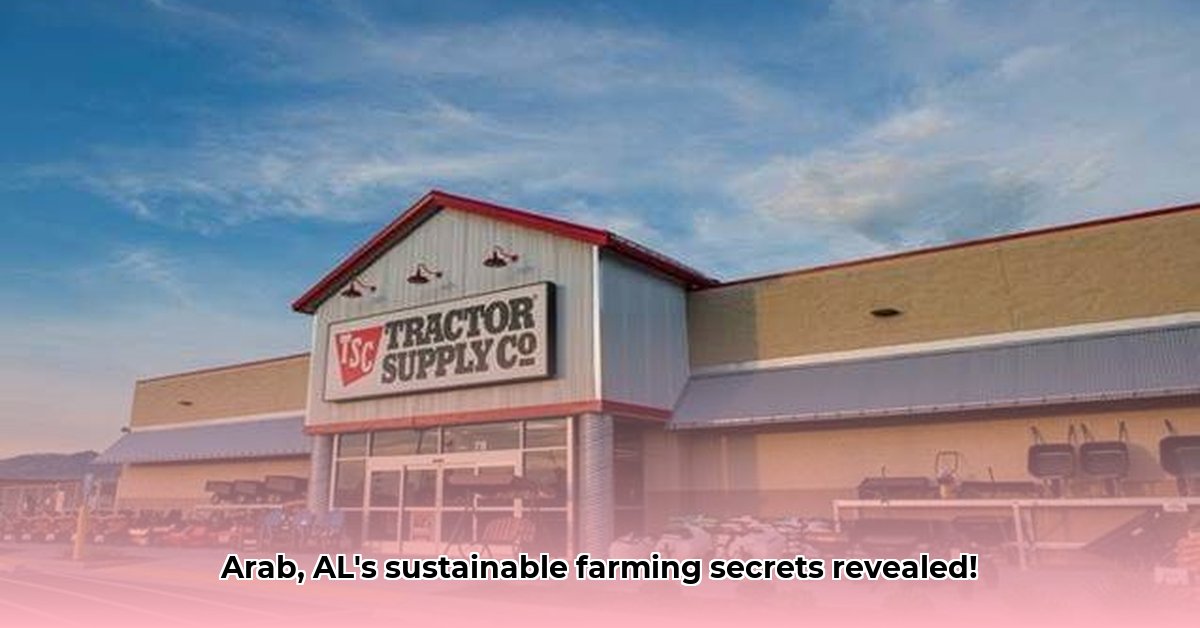
Tractor Supply's Product Offering & Market Reach
Tractor Supply Company (TSC), with its store in Arab, Alabama, represents a significant point of access for farmers and ranchers across the region. Its extensive product range includes seeds, fertilizers, animal feed, tools, and other essential agricultural supplies. This broad selection presents a significant opportunity to promote sustainable agriculture practices, given the widespread reach of TSC's retail network. However, the current emphasis on sustainable options within the product lines is limited, relying heavily on consumer-driven demand to foster change. Does this reflect a missed opportunity for environmentally conscious consumers and the overall health of the land? For pricing on certain livestock, check out TSC livestock prices.
Analysis of Tractor Supply's Current Sustainability Efforts
Currently, TSC lacks explicit, company-wide sustainability initiatives. While the company sells various products capable of supporting sustainable agriculture (organic seeds, certain fertilizers), the onus of making environmentally responsible choices primarily falls on individual consumers. This indirect approach limits the potential impact of TSC's influence on sustainable farming practices within its service area. This lack of proactive leadership is a concern. How can we expect widespread adoption of sustainable practices when the major supplier doesn't actively promote them?
Actionable Steps for Stakeholders
To effectively promote sustainable agriculture, a multi-pronged approach is necessary involving TSC, consumers, and government agencies.
For Tractor Supply:
Develop a comprehensive Sustainability Report: Conduct thorough Life Cycle Assessments (LCAs) (detailed analyses of the environmental impact of products from raw material extraction to disposal) for key product lines. Publicly release this information to build transparency and trust with consumers. This can dramatically elevate their reputation and attract environmentally-conscious customers.
Strategic Partnerships: Collaborate with recognized sustainable agriculture organizations to gain expert insights and develop effective sustainability strategies. This partnership can lend credibility and access to best practices.
Promote Sustainable Products: Highlight and prominently feature environmentally friendly products through clear signage, online descriptions, and strategic in-store placement. The use of eye-catching labels and prominent shelf placement will increase visibility and engagement. The goal: Make sustainable choices significantly easier for consumers to identify.
For Consumers and Farmers:
Make Informed Choices: Prioritize purchasing USDA Organic certified seeds, fertilizers with lower environmental impact, and products using biodegradable or recycled packaging. Every purchase is a vote for change.
Enhance Knowledge: Actively seek out information on sustainable farming techniques through online resources (like the USDA website) and local agricultural extension offices. Empower yourself to become a more conscious consumer.
Demand Transparency: Support businesses demonstrating clear environmental commitments. Utilize feedback mechanisms (customer reviews, surveys) to express the importance of sustainable choices to TSC.
For Local and State Governments:
Incentivize Sustainable Agriculture: Offer financial incentives, including grants and tax breaks, to farmers and businesses adopting sustainable farming methods. This can significantly reduce barriers to entry for environmentally conscious practices.
Coordinate Regulations and Education: Implement sensible environmental regulations alongside robust education and outreach programs to assist farmers in understanding and implementing sustainable practices. This two-pronged approach ensures not only compliance but also progress.
Risk Assessment and Mitigation
Several risks exist in promoting sustainable agriculture, and proactive mitigation is crucial:
Risk: Sourcing sustainable products consistently. Mitigation: Implement rigorous supplier vetting, ensuring transparency and traceability throughout the supply chain. Diversify sourcing to reduce reliance on single suppliers.
Risk: Lack of consumer awareness and understanding. Mitigation: Launch educational campaigns (in-store displays, online articles, partnerships with local organizations) highlighting the environmental and economic benefits of sustainable farming and the range of eco-friendly products available at TSC.
Risk: Competition from retailers specializing in organic and sustainable products. Mitigation: Offer superior customer service, a broader variety of sustainable products, competitive pricing, and build strong relationships with local farmers emphasizing product sourcing and quality.
Risk: Climate change-related supply chain disruptions. Mitigation: Diversify sourcing of products, explore climate-resilient crops and products, and develop robust supply chain management strategies to better adapt to the impacts of extreme weather.
Regulatory Implications
The agricultural sector is likely to face increasingly stringent environmental regulations in the coming years. To maintain compliance and market competitiveness, TSC must proactively adapt by implementing stricter sourcing standards for its products, transitioning to more eco-friendly packaging, and adhering to evolving labeling requirements.
Conclusion: A Shared Responsibility
The transition to sustainable agriculture demands a collective effort. Tractor Supply, through its widespread reach and product offerings, holds a significant potential to influence this transition. By actively promoting sustainable products, enhancing consumer awareness, and working collaboratively with government agencies, TSC can empower farmers and consumers to make impactful choices, paving the way for a more sustainable and resilient agricultural future.